
A private label manufacturer produces items that are sold under another company’s brand name. This model allows businesses to outsource physical production entirely. It helps companies bypass complex and expensive engineering phases.
In highly regulated sectors, this process requires precise environmental controls. Production lines must meet strict tolerance limits and safety standards. Brands rely on these manufacturing partners for consistent and compliant output.
Understanding how a private label manufacturer operates provides insight into modern supply chains. The factory manages raw materials, heavy machinery, and quality testing. Brand owners simply handle final distribution and marketing tasks.

What Is A Private Label Manufacturer?
This manufacturing setup involves a factory producing pre-designed functional items. The facility handles all technical execution and daily machinery maintenance. Brands apply their custom logos and packaging layouts to the finished goods.
This system differs from custom contract engineering. Contract manufacturing requires the brand to create unique product blueprints. Private labeling usually involves established product architectures with minor visual modifications.
Here is a quick comparison of standard industrial manufacturing models:
| Manufacturing Model | Design Ownership | Technical Customization | Market Entry Speed |
| Private Label | Manufacturer | Moderate | Fast |
| White Label | Manufacturer | Low | Very Fast |
| Contract OEM | Brand Owner | High | Slow |
Engineering Workflows in Production
Industrial production demands a systematic workflow to ensure batch consistency. Engineers follow precise protocols before full-scale manufacturing ever begins. This careful planning prevents physical defects and reduces material waste.
- Design Verification: Engineers review technical blueprints for physical feasibility.
- Material Sourcing: Facilities procure specialized raw materials from certified vendors.
- Tooling Calibration: Technicians adjust metal molds and cutting equipment.
- Cleanroom Assembly: Sensitive items are built in heavily controlled environments.
- Quality Verification: Finished batches undergo stress and functional testing.
In large-volume production, maintaining consistent environmental conditions is vital. Temperature and humidity fluctuations alter the structural properties of raw plastics. Strict factory control systems monitor these variables continuously.
Sampling delays may occur when tooling requires micro-adjustments. Technicians must verify that physical dimensions match digital models exactly. This critical calibration step ensures functional safety for end users.
Material Specifications for Health Products
Selecting the right raw material dictates the final product performance. A private label manufacturer must source industrial-grade chemical compounds. These materials must survive extreme physical and chemical stress daily.
Medical-grade silicone is commonly used in fluid delivery systems. It remains highly flexible across very different temperature ranges. It also resists physical degradation during harsh chemical cleaning processes.
Stainless steel alloys dominate the surgical instrument sector. The 316L variant offers superior corrosion resistance in wet environments. This durability is necessary for tools undergoing repetitive high-heat sterilization.
Thermoplastic elastomers provide an alternative for wearable electronic devices. These polymers offer high skin compatibility and distinct structural flexibility. They are easily molded into complex geometric shapes for better ergonomics.
Quality Control and Testing Protocols
Producing reliable technical equipment demands rigorous testing methods. Quality control teams inspect products at multiple different manufacturing stages. This prevents defective units from ever reaching final assembly lines.
Tensile strength testing measures how much force a material withstands. Factory engineers stretch physical samples until they eventually break. This data confirms the structural integrity of the base polymer.
Biocompatibility testing ensures materials do not cause adverse biological reactions. Certified laboratories expose synthetic materials to living biological tissues. This step is mandatory for anything contacting human skin directly.
Electrical safety testing applies to all active diagnostic equipment. Technicians check for dangerous voltage leaks and internal circuit stability. Reliable power management is critical for electronic patient monitors.
Application Scenarios for Healthcare Products
Private label products serve various technical functions across clinical settings. Hospital environments typically require durable and heavy-duty diagnostic tools. Home care settings need simple and highly automated digital devices.
Consumables form a massive segment of this specialized production industry. Items like diagnostic electrodes and digital thermometers are frequently manufactured. Facilities produce these goods using highly automated robotic assembly systems.
Durable equipment represents another distinct and complex manufacturing category. Building hospital beds and oxygen concentrators requires extensive mechanical assembly. These large-scale devices undergo strict mechanical load testing before shipping.
Electronic instruments demand specialized semiconductor integration and sensor wiring. Fetal dopplers and pulse oximeters rely on precise sensor calibration. Engineers must verify that software algorithms process physical signals correctly.
Packaging and Sterilization Technologies
Proper packaging protects sensitive electronic devices from physical impact damage. It also maintains absolute sterility during long global transit routes. Factories use specialized machines to seal products securely and tightly.
Tyvek pouches are the industry standard for sterile device barriers. This unique material allows sterilizing gases to penetrate the package. It simultaneously blocks dangerous biological contaminants from entering the pouch.
Thermoformed blister trays hold delicate instruments firmly in place. Vacuum forming machines shape hot plastic over cold metal molds. This prevents physical movement and heavy vibration damage during shipping.
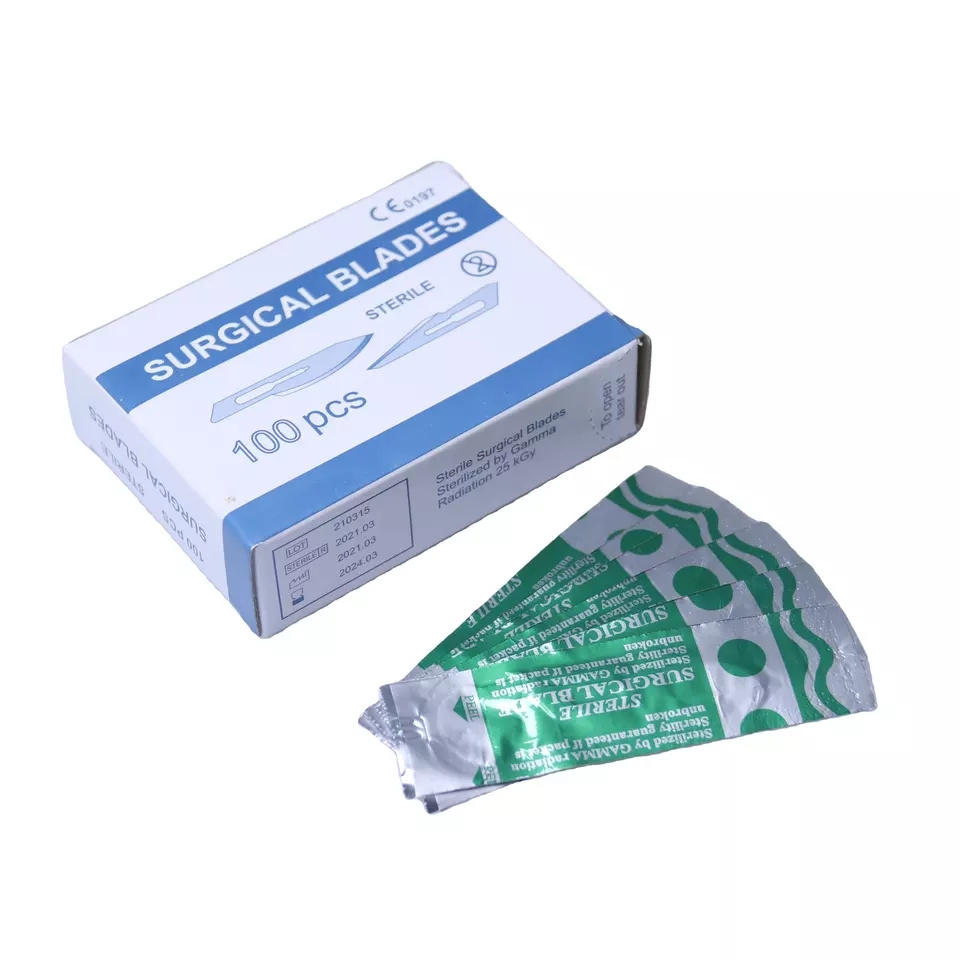
Sterilization occurs only after final product packaging is fully completed. Ethylene oxide gas destroys dangerous microorganisms without causing heat damage. Gamma irradiation alters microbial DNA to ensure complete product sterility.
Navigating Catalog Specifications and Capabilities
Reviewing a factory catalog helps brands match their technical application needs. Analyzing product specifications reveals the true engineering capability of the facility. This evaluation ensures the manufactured items meet required industry standards.
Exploring platforms like unimed medical supplies shows extensive product categorization. Their offerings span from basic consumables to complex electronic patient monitors. Evaluating these specific categories clarifies the underlying factory engineering framework.
A facility producing complex anesthesia machines demonstrates advanced assembly capabilities. Manufacturing items like ostomy bags highlights expertise in polymer heat sealing. Brands use this technical data to verify overall production competency.
Comparing detailed specifications prevents critical functional alignment errors. Engineers look closely at power requirements, material grades, and weight limits. These metrics confirm the real-world operational viability of the product.
FAQ
How does a cleanroom function in industrial manufacturing?
A cleanroom controls airborne particles using dense HEPA air filters. Strict airflow patterns sweep physical contaminants away from sensitive assembly areas. This sterile environment is essential for manufacturing sensitive technical products.
What materials are standard in specialized device production?
Common manufacturing materials include medical-grade silicone and 316L stainless steel. These specialized materials resist rust and withstand harsh factory sterilization processes. Material choice directly impacts the physical lifespan of the product.
Why is traceability important in factory production?
Traceability allows factory engineers to track materials from their raw state. This identification system is crucial for consumer safety and quality control. It helps teams quickly identify and isolate specific manufacturing errors.
How does ethylene oxide sterilization actually work?
Ethylene oxide is a chemical gas that penetrates specialized packaging materials. It aggressively disrupts the cellular functions of dangerous surface microorganisms. This method is primarily used for heat-sensitive electronic medical products.
What is the difference between white label and private label?
White label products are generic items sold to multiple different brands. A private label manufacturer often limits a specific design to one brand. Both manufacturing models allow companies to utilize custom visual branding.
Reference Sources
- ISO 13485:2016 – Medical devices — Quality management systems — Requirements for regulatory purposes.
- FDA Code of Federal Regulations Title 21 – Food and Drugs, Parts 800 to 1299.
- ASTM F2052 – Standard Test Method for Measurement of Magnetically Induced Displacement Force on Medical Devices in the MR Environment.
- IPC-A-610 – Acceptability of Electronic Assemblies (Hardware Standards).