Silicone is widely used in healthcare components because of its flexibility, thermal stability and biocompatible formulations. This article explains typical silicone product manufacturing steps, quality and procurement considerations for healthcare procurement professionals, distributors and technical buyers.
Overview: what buyers should expect
Manufacturing for silicone-based components typically moves from material selection and formulation through molding or extrusion, followed by post-processing, testing and packaging. The intended clinical or laboratory use, destination-market rules, and supplier capabilities shape tolerances, sterilization pathways and labeling requirements. Clear procurement processes can help ensure appropriate goods and accountability during buying decisions [2].
Raw materials and formulation
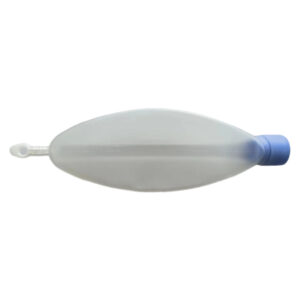
Silicones used in healthcare are often silicone elastomers (e.g., polydimethylsiloxane-based) that may be supplied as two-part systems or heat-curing grades. Formulation variables — crosslinker type, catalysts, fillers, and additives — determine mechanical properties, clarity and chemical resistance. Buyers should request material data sheets and information on biocompatibility testing where relevant, and confirm whether the supplier’s processes meet the product’s intended use and regulatory requirements.
Common manufacturing processes
Three common processing routes are injection molding, compression molding and extrusion. Each has trade-offs in volume, dimensional control and tooling cost:
Injection molding
Injection molding yields good repeatability for complex geometries and is common for high-volume parts. Tooling cost can be higher, so it’s often used when consistent dimensional control and cycle times justify the investment.
Compression molding
Compression molding can be suitable for medium volumes or simpler shapes; it may involve lower capital tooling costs but require more manual handling and process control to achieve tight tolerances.
Extrusion
Extrusion is typical for tubing, profiles and sheets. Extruded parts may need secondary operations (cutting, bonding) and careful control of cross-sectional dimensions and wall thickness.
Comparing manufacturing routes: decision-support table
The table below summarizes conditional advantages and limitations. Final method selection depends on product label, intended use, supplier capability and local regulations — and should be confirmed by technical review.
| Process | Typical best use | Pros (conditional) | Cons (conditional) |
|---|---|---|---|
| Injection molding | Complex, high-volume parts | High repeatability; good surface finish | Higher tooling cost; longer setup |
| Compression molding | Medium volumes; simpler shapes | Lower tooling cost; flexible for moderate runs | More manual steps; variable cycle consistency |
| Extrusion | Tubing, profiles, sheets | Continuous production; cost-efficient for lengths | Limited geometry; secondary operations often needed |
Sterilization, packaging and traceability considerations
Silicone parts intended for sterile use may be sterilized by several methods. The choice of method and its validation depend on the product, materials and destination-market requirements; suitability and validation are product- and market-specific and should be confirmed with qualified review and regulatory guidance [4]. Packaging, labeling, storage and expiry-date handling are important controls for healthcare items and support safe use and traceability. Buyers should expect suppliers to provide labeling that supports safe handling and distribution and to discuss lot traceability and shelf-life procedures during procurement dialogues.
Quality systems and supplier evaluation
Manufacturers and suppliers who work in medical-device supply chains commonly operate under formal quality-management systems. ISO 13485:2016 is a recognized standard for organizations involved in medical devices and related services; it describes systematic controls for design, production and post-production processes and can inform buyer expectations about consistent product quality [3].
When assessing suppliers, consider value, quality, reliability, capacity and technical capability, and include financial review as part of due diligence. Structured supplier selection frameworks can help compare options and identify risks before contracting [1]. For public-health or institutional procurement, clear accountable processes support transparency and appropriate technical outcomes [2].
RFQ checklist (RFQ confirmation required)
Use this checklist when preparing requests for quotation. Items marked “RFQ confirmation required” indicate information that must be confirmed with suppliers and may depend on the destination market or the supplier’s capabilities.
- Part drawings and dimensional tolerances (including critical dimensions) — RFQ confirmation required
- Material specification and grade, plus full material-data-sheet (MDS) and any biocompatibility testing — RFQ confirmation required
- Production process proposed (injection/compression/extrusion) and tooling lead times
- Sample availability and sample approval protocol
- Sterilization method proposed or compatibility statement (if sterile product is required) — RFQ confirmation required; validate method suitability and validation requirements [4]
- Packaging format, shelf life claims and lot traceability procedures — RFQ confirmation required
- Quality-system evidence (e.g., description of QMS, references to international standards) — RFQ confirmation required
- Inspection, testing plans and acceptance criteria
- Lead times, minimum order quantities and logistics terms — RFQ confirmation required
For catalog browsing or to request specific pricing and lead-time information, buyers can browse the UNIMED product catalog or contact UNIMED Medical with an RFQ. Any contractual or compliance claims should be confirmed directly with suppliers before purchase.
Practical tips for technical buyers
- Request process capability data and rejection rates where possible to understand manufacturing consistency.
- Ask for mold-flow simulations or trial-run reports for injection molded parts when tight dimensional control matters.
- Confirm post-processing steps (e.g., trimming, bonding, surface treatment) and their effect on tolerances and biocompatibility.
- Plan for regulatory review: intended use and destination-market regulations will influence labeling, sterility claims and supporting documentation.
Non-coercive call to action
If this primer helped you frame supplier questions, use the RFQ checklist above to prepare detailed specifications and discuss them with potential manufacturers. For broader product exploration consult the supplier catalog links above or engage technical evaluation early in procurement cycles to reduce downstream surprises.
Frequently Asked Questions
What is the best manufacturing method for silicone parts?
There is no single “best” method. Injection molding, compression molding and extrusion each have conditional advantages. The final choice depends on geometry, volume, tolerances and cost trade-offs; product label, intended use and qualified technical review determine the right option.
Can silicone parts be supplied sterile?
Some silicone parts are supplied sterile in health settings, but whether a product can or should be sterilized depends on material compatibility and validated sterilization methods. Sterilization suitability and validation are product- and market-specific and should be confirmed with the supplier and regulatory experts [4].
Should I expect ISO 13485 evidence from suppliers?
Many medical-device suppliers operate under ISO 13485-aligned systems; the standard describes quality-management practices for device-related organizations. Buyers should request relevant QMS information and supporting evidence, recognizing that certification status must be confirmed with the supplier directly and is not assumed [3].
How should I evaluate suppliers from a procurement governance perspective?
Apply structured supplier selection that covers quality, reliability, capacity, technical capability and financial review, and document decisions. Frameworks such as supplier-selection guidance can help compare value and risk when contracting [1]. For public-health purchases, clear, accountable procurement processes support appropriate outcomes [2].
What documentation should come with a silicone medical component?
Documentation commonly includes material data sheets, dimensional drawings, lot traceability records, sterilization compatibility or validation data (if claimed), packaging and storage instructions, and testing/acceptance reports. Confirm exact documentation requirements with the supplier and local regulators as needed.
References
[1] CIPS, Supplier selection: https://www.cips.org/intelligence-hub/managing-suppliers/supplier-selection.
[2] WHO, Procurement process resource guide: https://www.who.int/publications/i/item/9789241501378
[3] ISO, ISO 13485:2016: https://www.iso.org/standard/59752.html.
[4] FDA, Sterilization for Medical Devices: https://www.fda.gov/medical-devices/general-hospital-devices-and-supplies/sterilization-medical-devices.