
Operating room consumables are disposable or limited-use medical supplies used during surgical procedures to maintain sterile conditions, protect healthcare workers, and support patient safety. Common examples include surgical gowns, gloves, drapes, masks, and procedure-specific disposable supplies.
Unlike reusable surgical instruments, consumables are replaced after use or after a defined period. Their design focuses on sterility, barrier protection, material safety, and compatibility with different surgical applications.
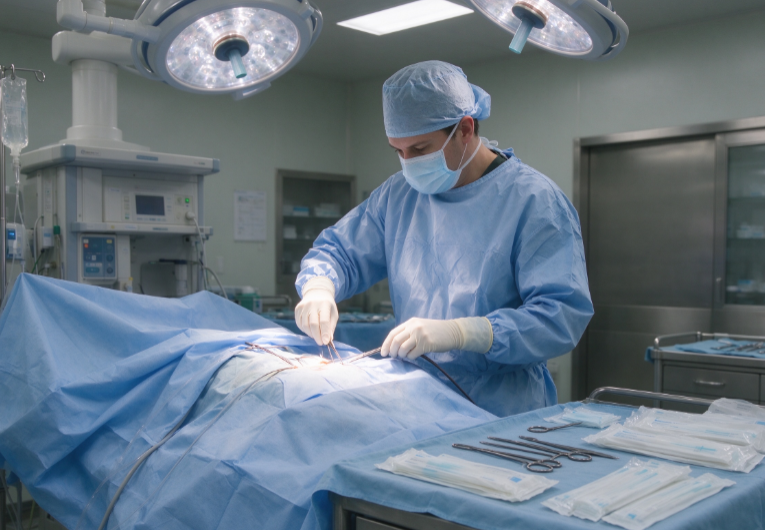
What Are Operating Room Consumables?
Operating room consumables are medical products designed for temporary use in surgical environments. They help create a controlled sterile field and reduce the risk of contamination during procedures.
Common operating room consumables include:
- Surgical gowns and protective apparel
- Sterile surgical gloves
- Surgical drapes and covers
- Disposable masks and caps
- Surgical packs
- Wound care products
Each product serves a specific purpose. For example, surgical drapes create a sterile barrier around the operating site, while gowns and gloves provide personal protection for medical staff.
Main Types of Operating Room Consumables
Surgical Gowns and Protective Apparel
Surgical gowns provide a protective barrier between healthcare professionals and potential contamination sources.
Common materials include:
- Polypropylene nonwoven fabric
- SMS (spunbond-meltblown-spunbond) material
- Laminated barrier fabrics
SMS materials are widely used because they offer a balance of strength, comfort, and fluid resistance. The required protection level depends on the procedure type and exposure conditions.
Sterile Surgical Gloves
Surgical gloves are essential protective equipment during operations. They must provide:
- Sterile protection
- Good elasticity
- Tear resistance
- Comfortable fit
- Adequate tactile sensitivity
Latex, nitrile, and synthetic materials are commonly used. Nitrile gloves are often selected when latex sensitivity needs to be considered.
Surgical Drapes and Covers
Surgical drapes help maintain a sterile operating area by covering patients, instruments, or equipment.
Typical applications include:
- Patient surgical drapes
- Instrument table covers
- Equipment covers
- Procedure-specific drapes
Material selection depends on fluid resistance, durability, and the requirements of different surgical procedures.
Why Material and Sterility Matter
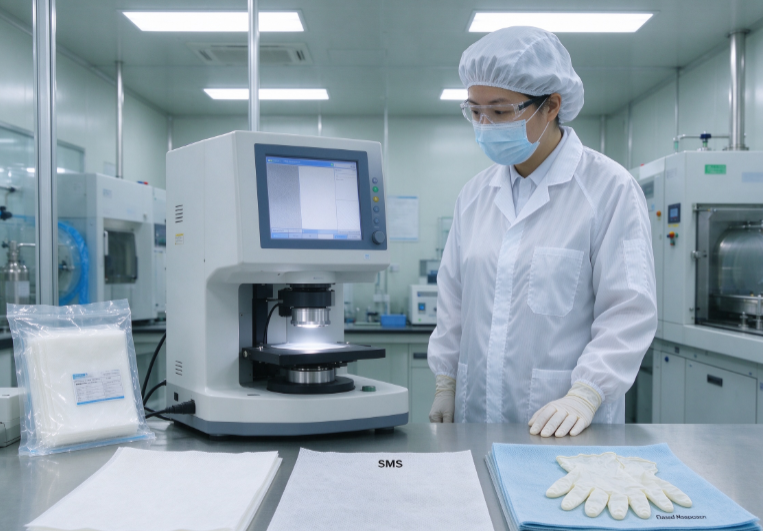
The performance of operating room consumables depends on material quality, manufacturing control, and sterilization processes.
Important factors include:
| Factor | Importance |
|---|---|
| Barrier performance | Helps reduce contamination risks |
| Material safety | Supports patient and user compatibility |
| Sterilization | Ensures products are ready for clinical use |
| Packaging integrity | Protects sterility before use |
Medical consumable manufacturers often follow quality systems such as ISO 13485, which defines requirements for medical device quality management.
Applications in Different Surgical Settings
Operating room consumables are used across hospitals, clinics, and surgical centers.
General Surgery
Basic consumables such as gowns, gloves, drapes, and surgical packs support routine procedures.
Orthopedic Surgery
Longer procedures may require stronger fluid protection and durable sterile barriers.
Cardiovascular Surgery
Complex operations require strict infection control and reliable sterile supplies.
Minimally Invasive Surgery
Specialized consumables are designed for specific instruments and smaller surgical access areas.
The required products depend on the procedure type, operating environment, and clinical workflow.
Manufacturing and Quality Control
Producing reliable medical consumables requires controlled manufacturing processes.
Typical production steps include:
- Raw material inspection
- Product forming and assembly
- Packaging
- Sterilization
- Quality inspection
Quality checks may include material testing, packaging inspection, and sterility validation.
Unimed Medical provides medical consumable products for healthcare applications, including disposable protective and surgical-related supplies. More product information can be found on its product page:
https://unimedmedical.net/products/
FAQ About Operating Room Consumables
What are the most common operating room consumables?
Common operating room consumables include surgical gloves, gowns, drapes, masks, surgical packs, and wound care supplies.
Are operating room consumables reusable?
Most operating room consumables are designed for single use to help maintain sterile conditions and reduce contamination risks.
What materials are used in surgical consumables?
Common materials include polypropylene, SMS nonwoven fabric, latex, nitrile, and other medical-grade polymers.
Why is sterilization important for surgical consumables?
Sterilization helps ensure that products are suitable for use in controlled surgical environments and reduces the risk of contamination.
Reference Sources
- ISO 13485: Medical devices — Quality management systems
https://www.iso.org/standard/59752.html - U.S. Food & Drug Administration — Medical Devices
https://www.fda.gov/medical-devices - World Health Organization — Infection Prevention and Control
https://www.who.int/teams/integrated-health-services/infection-prevention-control - Centers for Disease Control and Prevention — Infection Control
https://www.cdc.gov/infection-control/ - Unimed Medical Products
https://unimedmedical.net/products/