




Mechanical Blood Pressure Monitor: How It Works, How Accurate It Is, and When a Digital Monitor Fits Better
A mechanical blood pressure monitor measures blood pressure with a manual inflatable cuff, an aneroid dial gauge and a stethoscope — no batteries, no electronics, no automatic calculation. It remains the reference method for operator-driven measurement, but it is also the format most often bought by mistake, because it cannot be used by a patient alone.
Blood Pressure Monitor: How It Works and How to Use It
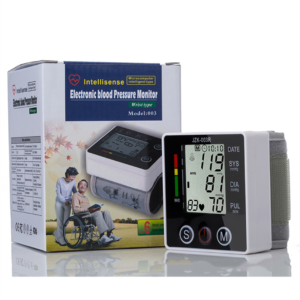
A blood pressure monitor provides a non-invasive way to measure systolic and diastolic blood pressure. This guide explains how electronic monitors work, why cuff size and positioning affect readings, the differences between upper-arm and wrist monitors, and what to consider when evaluating device accuracy, validation, specifications, and intended use.
Product Quality Inspection Before Shipment: How It Works
Learn how product quality inspection before shipment works in medical device manufacturing — covering testing standards, inspection types, defect detection methods, and regulatory requirements.

What Are the Common Disposable Plastic Materials? A Technical Guide
This technical guide analyzes common disposable plastic materials like PP, PE, PVC, and PS. It explores polymer properties, sterilization compatibility, and physical performance in medical and laboratory settings, providing essential material selection guidance for professional OEM manufacturing and B2B procurement managers to ensure product safety and compliance.