
Product Quality Inspection Before Shipment: How It Works
Product quality inspection before shipment is the final verification step in manufacturing. It confirms that finished goods meet specified requirements before they leave the facility. In medical device production, this checkpoint carries particular weight because defective products can directly endanger patient safety.
The inspection process involves multiple testing layers — visual checks, functional tests, dimensional verification, and documentation review. Each layer targets different defect categories and follows standards set by regulatory bodies such as ISO and the FDA.
This article breaks down how pre-shipment inspection works in medical manufacturing contexts. You will learn the key inspection types, testing methods, common defects caught, and the standards governing each step.
What Is Pre-Shipment Product Quality Inspection?
Pre-shipment inspection (PSI) is a systematic evaluation of finished products conducted after production is complete but before dispatch. It verifies that goods conform to technical specifications, regulatory requirements, and customer expectations.
In medical device manufacturing, PSI typically follows the quality management system defined under ISO 13485. The standard requires manufacturers to conduct final inspection and maintain records proving compliance at every production stage.
PSI differs from in-process inspection in both timing and scope. The comparison below illustrates the key distinctions:
| Dimension | In-Process Inspection | Pre-Shipment Inspection |
|---|---|---|
| Timing | During production | After production complete |
| Scope | Specific parameters | Full product verification |
| Sample size | Smaller, per batch | Larger, statistical sampling |
| Purpose | Correct deviations early | Confirm final conformity |
PSI uses statistical sampling rather than 100% inspection in most cases. ISO 2859-1 defines acceptance sampling procedures that determine how many units to test based on batch size and acceptable quality limits (AQL).
For medical devices, certain critical attributes may require 100% inspection regardless of batch size. These typically include sterility seals, electrical safety parameters, and software functionality in life-supporting equipment.
How the Inspection Process Works Step by Step
The pre-shipment inspection process follows a defined sequence in medical manufacturing environments. Each step builds documented evidence that the product meets all requirements before release.
- Step 1: Review the Inspection PlanQuality engineers retrieve the product-specific inspection plan from the quality management system. This document specifies which attributes to test, acceptance criteria, sampling method, and required test equipment.
- Step 2: Verify Documentation and TraceabilityInspectors confirm that production records, batch logs, and material certificates are complete. Each medical device must be traceable to its raw materials, production date, and personnel involved.
- Step 3: Conduct Visual and Dimensional InspectionInspectors examine units for surface defects, alignment issues, and labeling accuracy. Dimensional checks verify that critical measurements fall within specified tolerances using calibrated instruments.
- Step 4: Perform Functional and Performance TestingProducts undergo operational testing to confirm they perform as intended. For patient monitors, this includes verifying measurement accuracy, alarm functionality, and display performance.
- Step 5: Execute Safety and Compliance TestsMedical electrical equipment must pass safety tests defined in IEC 60601. These include dielectric strength, leakage current, and protective earth continuity measurements.
- Step 6: Document Results and Release DecisionAll findings are recorded in the inspection report. The quality manager reviews the data and issues a release or rejection decision based on the acceptance criteria.
Key Testing Methods Used in Medical Device Inspection
Different product categories require different testing approaches. The methods below represent the most common techniques used in medical device pre-shipment inspection.
Visual Inspection
Visual checks identify cosmetic defects, assembly errors, and labeling problems. Inspectors use standardized reference samples or defect catalogs to maintain consistency. For surgical consumables, visual inspection may reveal seal integrity issues or packaging contamination.
Functional Performance Testing
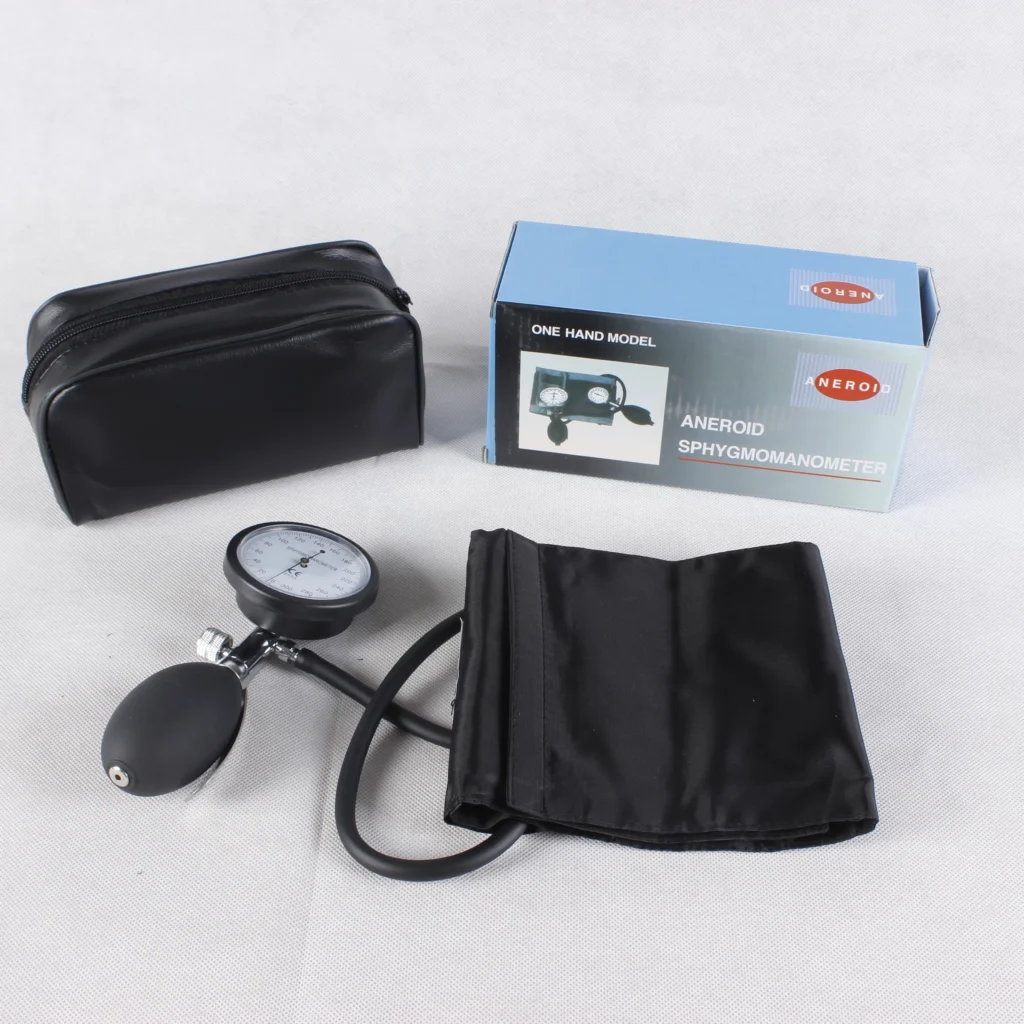
Functional tests confirm that the device operates according to its specifications. A blood pressure monitor, for instance, is tested against a reference simulator to verify pressure reading accuracy within ±3 mmHg.
Electrical Safety Testing
Medical electrical equipment undergoes rigorous safety testing per IEC 60601-1. Key measurements include:
- Patient leakage current (must not exceed 10 µA for Type BF applied parts)
- Mains voltage on accessible parts
- Dielectric strength (typically 1500V AC for 1 minute)
- Protective earth resistance (≤0.1 Ω for Class I equipment)
Biocompatibility Verification
For products with patient contact, inspectors verify that biocompatibility test certificates match the materials used in production. ISO 10993 defines the biological evaluation framework for medical devices.
Packaging and Sterility Testing
Sterile medical products require packaging integrity verification. Common test methods include:
- Bubble emission test (ASTM F2096) for seal integrity
- Dye penetration test (ASTM F1929) for porous packages
- Accelerated aging (ASTM F1980) for shelf-life validation
Why Pre-Shipment Inspection Matters for Medical Equipment
Medical devices operate in environments where failure can cause direct patient harm. A malfunctioning patient monitor may produce incorrect readings that lead to inappropriate treatment decisions. A defective nebulizer may deliver insufficient medication to a respiratory patient.
Pre-shipment inspection serves as the last opportunity to intercept these risks before products reach clinical settings. The inspection creates a documented trail showing that each device met safety and performance requirements at the time of dispatch.
For manufacturers, consistent PSI implementation reduces field failure rates and associated costs. Medical device recalls typically cost between $5 million and $50 million per incident, depending on scale. More significantly, they damage institutional trust with hospital procurement teams and regulatory authorities.
Regulatory requirement: The FDA’s Quality System Regulation (21 CFR Part 820) explicitly requires final inspection under §820.80(d). Manufacturers exporting to the EU must meet equivalent requirements under the Medical Device Regulation (MDR 2017/745).
In practice, medical device companies that supply diverse markets — from hospital systems in developed economies to clinics in emerging regions — rely on standardized PSI protocols. This consistency ensures that product quality remains uniform regardless of the destination market.
Common Defects Caught During Final Quality Checks
Pre-shipment inspection reveals patterns of defects that vary by product type and manufacturing process. Understanding these common findings helps contextualize why each inspection step exists.
Assembly and Mechanical Defects
Loose fasteners, misaligned components, and incomplete assemblies appear frequently in products with multiple mechanical interfaces. Operation tables, for example, contain numerous joints and adjustment mechanisms that require precise torque verification.
Labeling and Documentation Errors
Incorrect labeling is a leading cause of medical device recalls. Common issues include wrong model numbers, missing manufacturing dates, and non-compliant symbols. Inspectors cross-check every label against the approved artwork specification.
Electrical and Electronic Failures
In medical electronics, failures often relate to solder joint quality, connector reliability, and software behavior. Patient monitors may exhibit display flickering, alarm delays, or sensor communication errors that only appear under specific test conditions.
Packaging Defects
Seal failures, print smudging, and incorrect quantity in multipacks are common findings. For sterile products, any packaging compromise renders the entire batch unsuitable for shipment.
Performance Drift
Devices that passed in-process inspection may show performance drift by final inspection. Blood pressure monitors may shift calibration due to component aging during storage. X-ray equipment may show inconsistent output levels due to tube conditioning variations.
Application Scenarios: Inspection Across Medical Product Types
To illustrate how pre-shipment inspection works in real medical manufacturing contexts, consider several product categories that require distinct inspection approaches.
Medical Monitoring Equipment
Patient monitors undergo electrical safety testing, alarm verification, and measurement accuracy checks across all supported parameters. Each unit is connected to a simulator that generates known physiological signals. The displayed values must match the input within specified tolerances.
Surgical Consumables
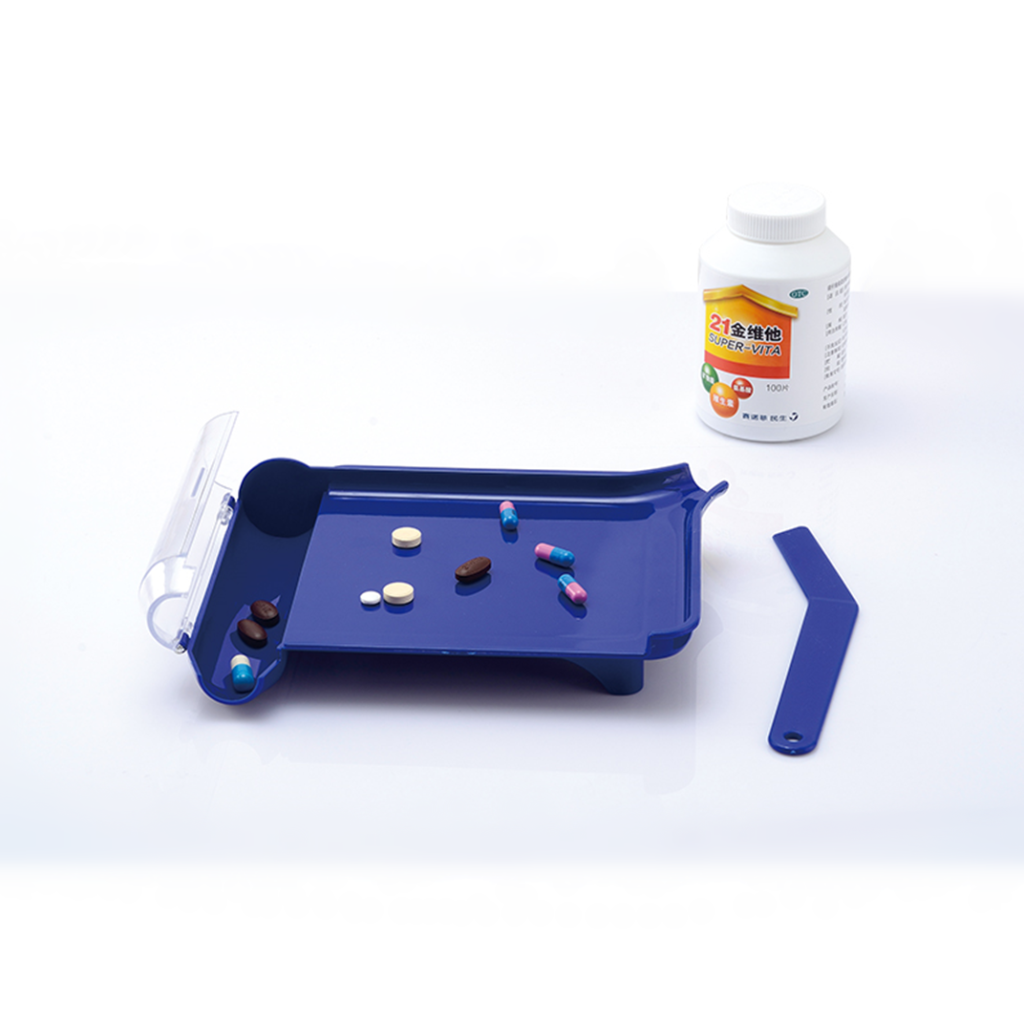
Surgical dressings and similar consumables require visual inspection for material defects, packaging integrity, and sterility indicator verification. Sampling plans typically follow ISO 2859-1 at AQL 2.5 for major defects and AQL 4.0 for minor defects.
Diagnostic and Imaging Equipment
X-ray machines require specialized testing including radiation output measurement, collimation accuracy, and exposure time verification. These tests demand calibrated dosimeters and trained radiological engineers.
Manufacturers offering broad medical supply portfolios — such as UNIMED Medical, which provides equipment ranging from patient monitors and nebulizers to operation tables and infusion chairs — apply product-specific inspection protocols within a unified quality management framework. This approach ensures consistent verification standards across diverse product categories, whether the item is a simple surgical consumable or a complex diagnostic machine.
For such multi-category suppliers, the inspection plan for each product type is defined by its risk classification and applicable standards. A first-aid box requires different verification criteria than a blood pressure monitor or an X-ray system, yet all follow the same structured release process before shipment.
Frequently Asked Questions
What does product quality inspection before shipment include?
Pre-shipment inspection includes visual checks, dimensional verification, functional testing, safety compliance tests, and documentation review. The specific tests depend on the product type and applicable regulatory standards.
How is sampling determined for pre-shipment inspection?
Sampling follows statistical methods defined in ISO 2859-1. The sample size depends on batch size, inspection level (typically General Level II), and the acceptable quality limit (AQL). Critical attributes in medical devices may require 100% inspection.
What is AQL in quality inspection?
AQL stands for Acceptable Quality Limit. It represents the maximum number of defective units considered acceptable in a sample batch. For medical devices, typical AQL values range from 0.65 for critical defects to 4.0 for minor defects.
Can pre-shipment inspection prevent all defective products?
No inspection system can guarantee zero defects with absolute certainty. Statistical sampling accepts a small probability of defective units passing through. However, well-designed inspection plans reduce defect rates to levels acceptable for the product’s risk classification.
What happens when products fail pre-shipment inspection?
Failed products are quarantined and reviewed by quality engineers. The root cause is investigated, and corrective actions are implemented. Depending on findings, the batch may be reworked, re-inspected, or rejected entirely.
Is pre-shipment inspection required by law for medical devices?
Yes. FDA regulations (21 CFR Part 820.80) and EU MDR require finished device inspection before release. ISO 13485-certified manufacturers must also conduct final inspection as part of their quality management system.
What is the difference between QC and QA in medical manufacturing?
Quality Control (QC) focuses on inspecting and testing products to detect defects. Quality Assurance (QA) covers the broader system of processes, documentation, and standards that prevent defects from occurring. Pre-shipment inspection is a QC activity operating within the QA framework.
Reference Sources
- ISO 13485:2016 — Medical devices — Quality management systems — Requirements for regulatory purposes. https://www.iso.org/standard/59752.html
- ISO 2859-1:1999 — Sampling procedures for inspection by attributes — Part 1. https://www.iso.org/standard/1141.html
- IEC 60601-1:2005+AMD1:2012+AMD2:2020 — Medical electrical equipment — General requirements for basic safety and essential performance. https://www.iec.ch/
- ISO 10993-1:2018 — Biological evaluation of medical devices — Evaluation and testing within a risk management process. https://www.iso.org/standard/68936.html
- FDA 21 CFR Part 820 — Quality System Regulation. https://www.accessdata.fda.gov/scripts/cdrh/cfdocs/cfcfr/CFRSearch.cfm?CFRPart=820
- EU Regulation 2017/745 — Medical Device Regulation (MDR). https://eur-lex.europa.eu/eli/reg/2017/745/oj
- ASTM F2096 — Standard Test Method for Detecting Gross Leaks in Medical Packaging by Internal Pressurization. https://www.astm.org/f2096-16.html
- ASTM F1980 — Standard Guide for Accelerated Aging of Sterile Barrier Systems for Medical Devices. https://www.astm.org/f1980-21.html