


How to Evaluate a Reliable Supplier
A practical guide for procurement teams evaluating a reliable medical equipment supplier, with evidence-based quality checks, comparison criteria, and an RFQ checklist.
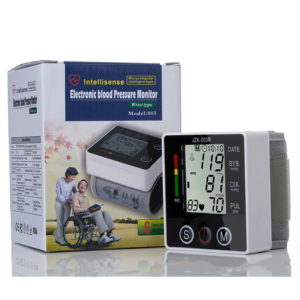
Product Quality Inspection Before Shipment: How It Works
Learn how product quality inspection before shipment works in medical device manufacturing — covering testing standards, inspection types, defect detection methods, and regulatory requirements.
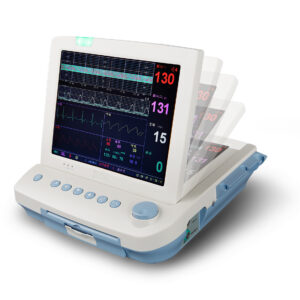
OEM vs ODM Manufacturing: Core Differences & How to Choose
OEM manufacturing builds products to your exact custom specifications, offering full IP control but requiring higher tooling costs and longer lead times. Conversely, ODM provides pre-engineered products for rapid private labeling, drastically minimizing R&D expenses. Your choice ultimately depends on your internal engineering capabilities, budget, and regulatory compliance needs.
Sourcing Products from China: The Global Buyer’s Playbook
How global buyers source products from China: a step-by-step process covering supplier vetting, cost drivers, compliance checks, and quality control.
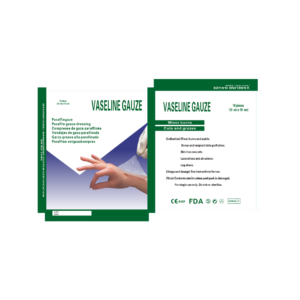
Private Label Manufacturer Guide: Unimed Medical Supplies
This guide explains how a private label manufacturer operates within the specialized medical supply industry. It covers essential engineering workflows, strict material specifications, and rigorous quality control testing. By understanding these critical factory processes, brands can effectively evaluate industrial partners like Unimed Medical Supplies for reliable and compliant product manufacturing.
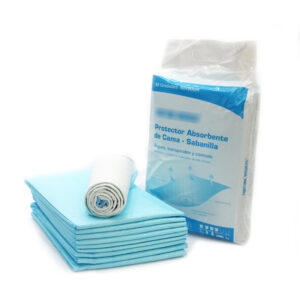
How to Select Quality Disposable Products: B2B Sourcing Guide
This guide outlines how B2B buyers should evaluate quality disposable products for medical applications. It covers essential engineering criteria including biocompatibility, medical-grade polymer selection, cleanroom manufacturing, and sterilization methods. The article also provides a practical supplier audit workflow based on ISO 13485 standards and Acceptable Quality Limits (AQL).
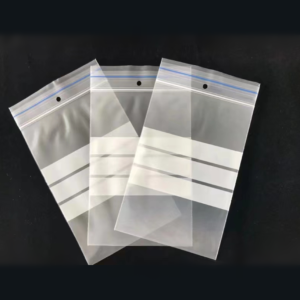
What Are the Common Disposable Plastic Materials? A Technical Guide
This technical guide analyzes common disposable plastic materials like PP, PE, PVC, and PS. It explores polymer properties, sterilization compatibility, and physical performance in medical and laboratory settings, providing essential material selection guidance for professional OEM manufacturing and B2B procurement managers to ensure product safety and compliance.
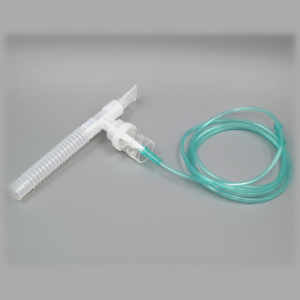
PP vs PVC vs EVA: Medical Material Comparison Guide
This medical material comparison evaluates Polypropylene (PP), Polyvinyl Chloride (PVC), and Ethylene-Vinyl Acetate (EVA) for healthcare applications. Highlighting key differences in biocompatibility, flexibility, and sterilization tolerance, it guides medical device manufacturers and healthcare procurement teams in selecting the optimal polymer for fluid bags, tubing, diagnostic cables, and regional supply needs.
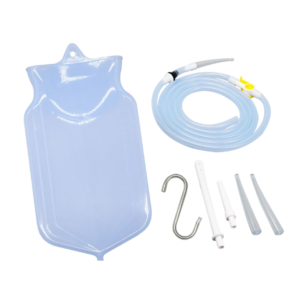
Inside Plastic Injection Molding: A Guide to High-Quality Manufacturing
This guide explains how plastic injection molding melts and shapes plastic into high-quality parts. It is the fastest way to make large numbers of products accurately. Learn about the process, materials, and why it is essential for creating reliable medical and industrial components today
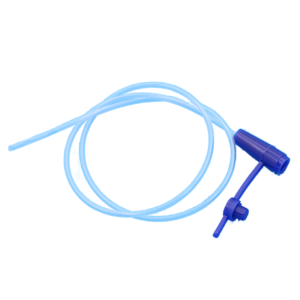
Manufacturing Guide: How Plastic Disposable Products are Made
This guide examines the high-precision manufacturing of plastic disposable products, focusing on material selection, injection molding, and extrusion processes. It details the necessity of ISO-certified cleanrooms and biocompatibility standards for medical-grade applications, providing essential insights for engineers and OEM project managers into quality control and industrial scalability.